

Good vision plays an important role in a child’s development, learning and everyday activities. However, children do not always realise that their vision is not clear, or know how to explain what they are experiencing. Understanding common eye conditions in children and knowing what signs to look out for can help you as parents seek advice when needed.
What are the most common eye conditions in children?
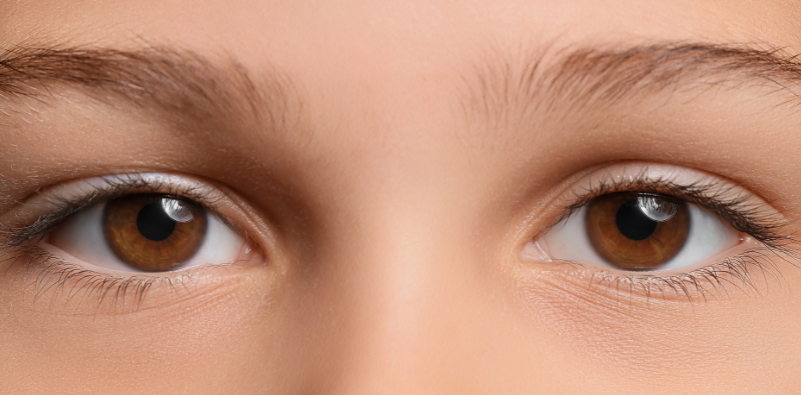
Several conditions can affect children’s vision, including:
Myopia (short sightedness): Being short-sighted means distant objects can appear blurred, while things nearby are usually clearer. Children may struggle to see the classroom board, sit close to screens or complain of headaches.
Hyperopia (long-sightedness): Long-sightedness can make close-up tasks such as reading more difficult and may contribute to tired eyes or headaches.
Visual stress: Some children can experience discomfort when reading, including words appearing to move, blur or become difficult to follow. A specialist visual stress assessment can investigate areas such as eye tracking, near focussing and reading comfort.
Astigmatism: This occurs when the front surface of the eye is not perfectly curved, which can affect how clearly images are focused.
Strabismus (squint): Wondering what is strabismus? It is a condition where the eyes point in different directions. It can affect how the eyes work together and is one of the conditions that can be identified during a child’s eye examination.
Amblyopia (lazy eye): This is where vision in one eye does not develop properly. Early identification is important because treatment and support are more effective while the visual system is still developing.
What signs of vision problems should parents look for?
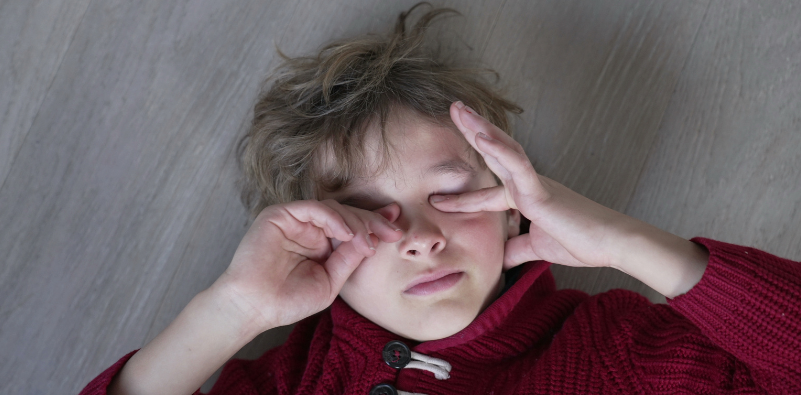
Signs can sometimes be subtle. Squinting, sitting close to the television or screens, frequent eye rubbing, headaches, eye strain, difficulties with reading or avoiding visually demanding activities can all be reasons to consider an eye examination.
These signs can have several causes and do not necessarily mean a child has an eye condition. A professional assessment can help determine whether there is an underlying vision problem.
Why is a children’s eye test important?
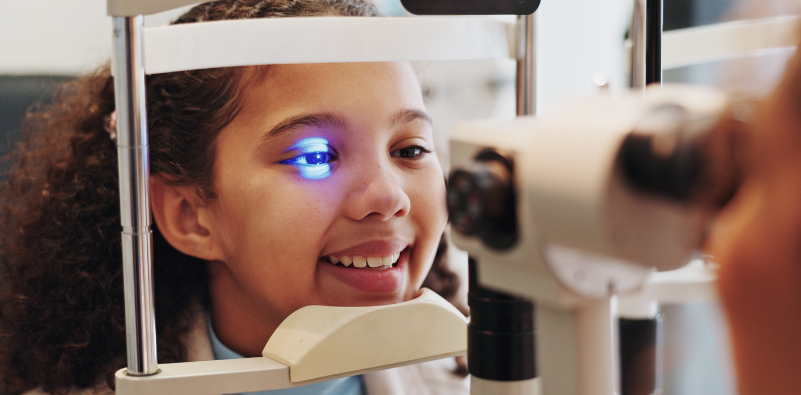
Regular eye examinations can help identify vision problems early, sometimes before a child is aware that anything is wrong. This can be particularly valuable during the school years, when clear and comfortable vision is important for reading, writing and learning.
At Simpson Optometrist, our optometrists take a careful, individual approach to children’s eye care. We provide a friendly, relaxed environment where children can feel comfortable while their vision and eye health are assessed. As an independent practice, we take the time to provide personalised care for every child.
Look after your child’s vision
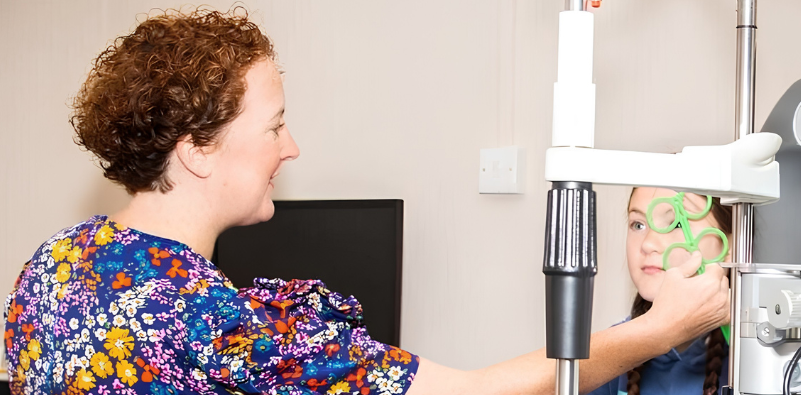
If you’ve noticed any changes in your child’s vision, or simply have some concerns, we’re here to help. Contact us today to schedule an eye test and take that first step towards looking after their vision.